
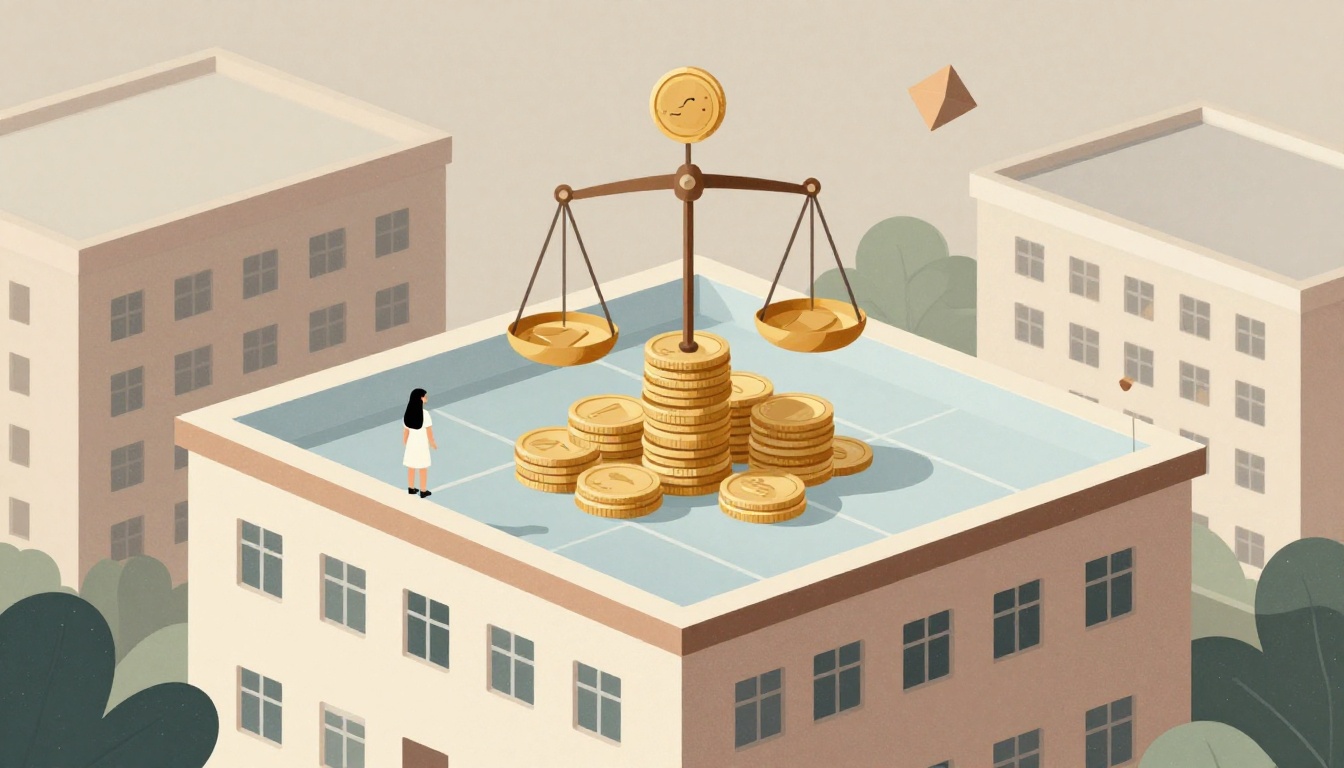
If your school's budget process starts with last year's numbers and adjusts for inflation, you're likely carrying forward inefficiencies and outdated priorities. Zero-based budgeting (ZBB) offers a different path: every expense must be justified from scratch each budget cycle, starting from a "zero base." This approach forces you to evaluate whether each program and activity truly supports student achievement, rather than assuming past spending was optimal. For schools facing funding cliffs or tight margins, ZBB can be a powerful tool to reallocate resources toward what matters most.
Which of the following is a core principle of zero-based budgeting?
Select one answer.
What is zero-based budgeting?
Zero-based budgeting is a method where all expenses must be justified annually during the budget development process, according to the National Center for Education Statistics. Unlike traditional line-item budgeting, which relies on historical expenditure data, ZBB requires you to build your budget from the ground up each year. As the Future Ready Schools framework explains, ZBB is a repeatable process that reviews every dollar in the annual budget, manages financial performance monthly, and builds a culture of cost management among all employees.
The core principle is simple: income minus expenses equals zero. Every dollar of revenue is assigned a specific purpose, leaving no unallocated funds. This is not about cutting everything—it's about intentionality. As Chase notes, ZBB demands up-front justification for every expense, which can lead to greater efficiency but requires more time and effort to set up and maintain.
Why schools should consider ZBB
Traditional budgeting often perpetuates the status quo. Programs that no longer serve students effectively continue to receive funding simply because they were funded last year. ZBB breaks that cycle. According to the Center on Reinventing Public Education, a zero-based approach can even be applied to academic requirements, prompting schools to question whether mandated courses are still the best use of student time and resources.
For school districts, ZBB can quickly identify expenditures that are unnecessary or too high, as noted by Alludo. It also aligns with strategic planning: the budget becomes a reflection of your school's priorities, not a historical artifact. However, ZBB is not without challenges. It takes significant time and effort, and it requires accurate data and stakeholder buy-in. Additionally, some funds are restricted—federal Title I or special education dollars, for example, cannot be reallocated to other purposes. You'll need to work within those constraints while still justifying every discretionary dollar.
How to build a zero-based budget: a step-by-step guide
Follow these steps to implement ZBB in your school or district:
-
Define your budget period and goals. Start with your strategic plan. What outcomes do you want to achieve this year? Your budget should be a financial expression of those goals.
-
List all revenue sources. Include state and local funding, federal grants, donations, and any other income. Be realistic about enrollment projections and funding cliffs.
-
Identify all expenses, starting from zero. Do not look at last year's budget. Instead, list every program, position, and activity you believe is necessary to meet your goals. For each, ask: What is the purpose? What outcomes does it produce? Is there a more cost-effective way to achieve the same result?
-
Justify every expense. For each item, provide evidence of its effectiveness. This could be student achievement data, attendance records, or compliance requirements. If you can't justify it, cut it or reallocate the funds.
-
Allocate funds based on priorities. Rank your programs and activities by their contribution to student success. Fund the highest priorities first, and continue until you run out of revenue.
-
Subtract expenses from income to equal zero. As Ramsey Solutions advises, list your income, plan all expenses, and subtract to equal zero. Every dollar should have a job.
-
Monitor monthly. ZBB is not a one-time exercise. Review your budget monthly, compare actual spending to projections, and adjust as needed. If you underspend in one area, move those funds to another priority.
Common pitfalls to avoid
- Ignoring restricted funds. You cannot reallocate federal or state funds designated for specific purposes. Build those into your budget first, then apply ZBB to discretionary funds.
- Underestimating the time commitment. ZBB requires more effort than traditional budgeting. Plan for it by starting early and involving key stakeholders.
- Failing to engage staff. Teachers and program leads often have valuable insights into what works and what doesn't. Include them in the justification process.
- Treating ZBB as a one-time fix. ZBB is a culture shift. It requires ongoing commitment to cost management and continuous improvement.
Is ZBB right for your school?
ZBB is not a silver bullet. It works best when you have accurate data, clear goals, and the capacity to invest time in the process. But for schools facing budget cuts, declining enrollment, or a desire to align spending with mission, it can be transformative. By starting from zero, you ensure that every dollar is working toward student success—not just continuing historical patterns.
How the Featured Expert Can Help
Building a zero-based budget from scratch is a heavy lift, especially when you're also managing compliance, payroll, and audit prep. Harness Potential provides outsourced CFO and back-office support tailored to charter schools, school districts, and nonprofits in California. Founded by Carrie Wagner, a former charter school operator with 10 years of experience, the team brings over 30 years of combined education-sector expertise. They can help you implement zero-based budgeting, navigate funding cliffs, and keep your books audit-ready—so you can focus on your mission. Visit harnesspotential.com to learn more.
Quiz: Test your knowledge
Which of the following is a core principle of zero-based budgeting?
- A) Every expense must be justified from scratch each budget period
- B) Budgets are based on historical spending patterns
- C) Only new programs require justification
Correct answer: A